SingularityEngine
An archived, unfinished game engine prototype from 2013, originally started as a custom technical foundation for Space Conflicts: Empires and later discontinued in favor of the Godot Engine.
Challenge
Around 2013, capable, freely available, and cross-platform 3D game engines were scarce—even the Godot Engine was still an internal, proprietary tool at OKAM Studio and was not released to the public until February 2014. To build Space Conflicts: Empires independently, development began on a custom Java engine.
Solution
The software was planned as a modular toolkit of six components—covering core game logic, two graphics modules, 3D audio, a custom command language, and a user interface. Because key pillars such as physics, menus, and modern graphics remained unfinished and maintenance outgrew actual game development, the project was discontinued in favor of the maturing Godot Engine.
Project Overview and Historical Context
SingularityEngine is an archived, unfinished software project that originated during upper secondary school (Abitur) around 2013 and was continued into the early stages of university studies. Originally designed as a custom technical foundation (game engine) for the real-time strategy game Space Conflicts: Empires, the engine was also intended to power additional future games. A version of it was even used in a university prototype project: a 2D room planner.
The decision to build an engine from scratch came down to the landscape at the time: capable, free, and cross-platform 3D engines were rare around 2013. Even the Godot Engine, which Space Conflicts: Empires was eventually built with, was still a proprietary in-house tool at OKAM Studio in 2013 and largely unknown to the public—its open-source release was announced in January 2014, with the source code published in February 2014.
The embedded YouTube video shows an early version of Space Conflicts: Empires before it was split into the game itself and a separate engine.
Structure and Implementation Status
SingularityEngine was written in Java and organized as a modular toolkit of six parts:
- The Core Engine: Managed the main game loop, loading of 3D models and textures, and spatial organization of the game world so objects could be handled by distance. 3D sound and music playback were already working. Other essential features—such as collision physics or automatically hiding off-screen objects to save performance—remained empty placeholders.
- Classic 3D Graphics: This module handled drawing on screen. Window management, lighting, 3D objects, textures, and helper grids for troubleshooting already worked for the most part, while features like clicking 3D objects with the mouse remained unfinished.
- Modern 3D Graphics (Vulkan): A second graphics module was planned to take advantage of modern graphics cards, but never progressed past an empty skeleton.
- Custom Command Language (CoreText): To control game sequences, console commands, and settings flexibly, a custom scripting and command language was created. It worked on its own, but was never fully wired into the main engine.
- Custom User Interface (ZGUI): A dedicated system for menus, buttons, and text was planned. However, only its underlying structure was drafted in code—nothing was ever drawn on screen.
- Shared Helper Libraries: A collection of exclusively free, open-source libraries and in-house tools for math, 3D output, and terrain generation—built on the same underlying technology (LWJGL) that powers Minecraft: Java Edition.
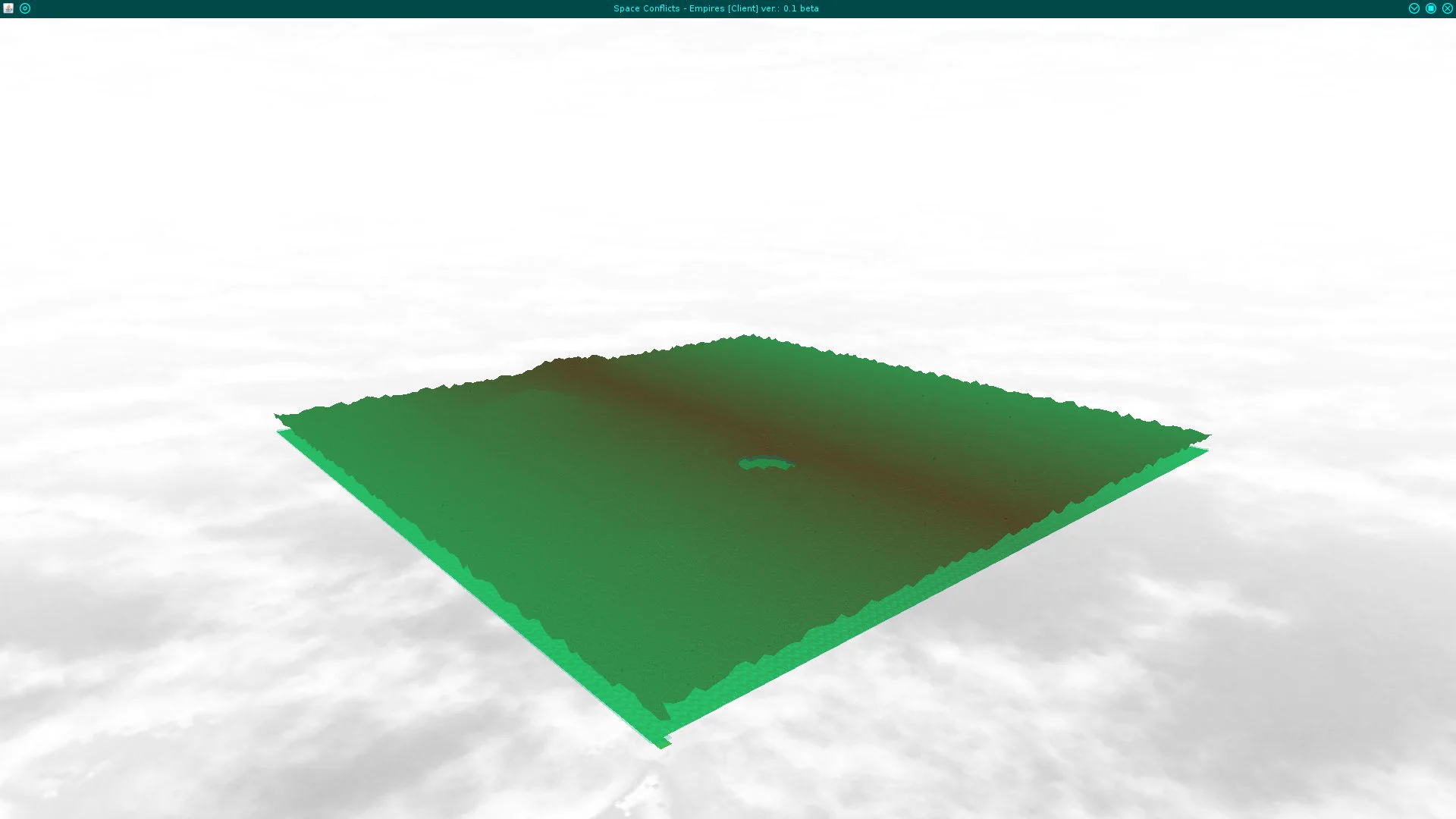
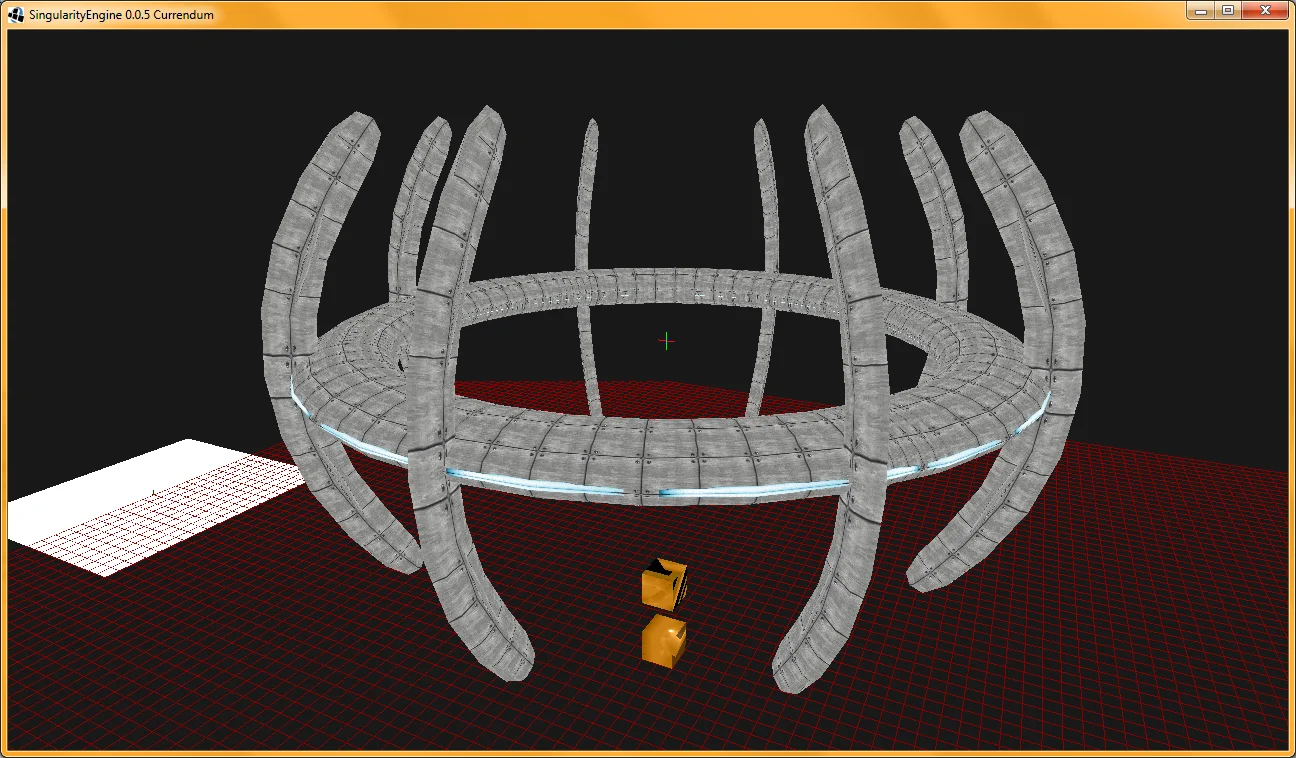
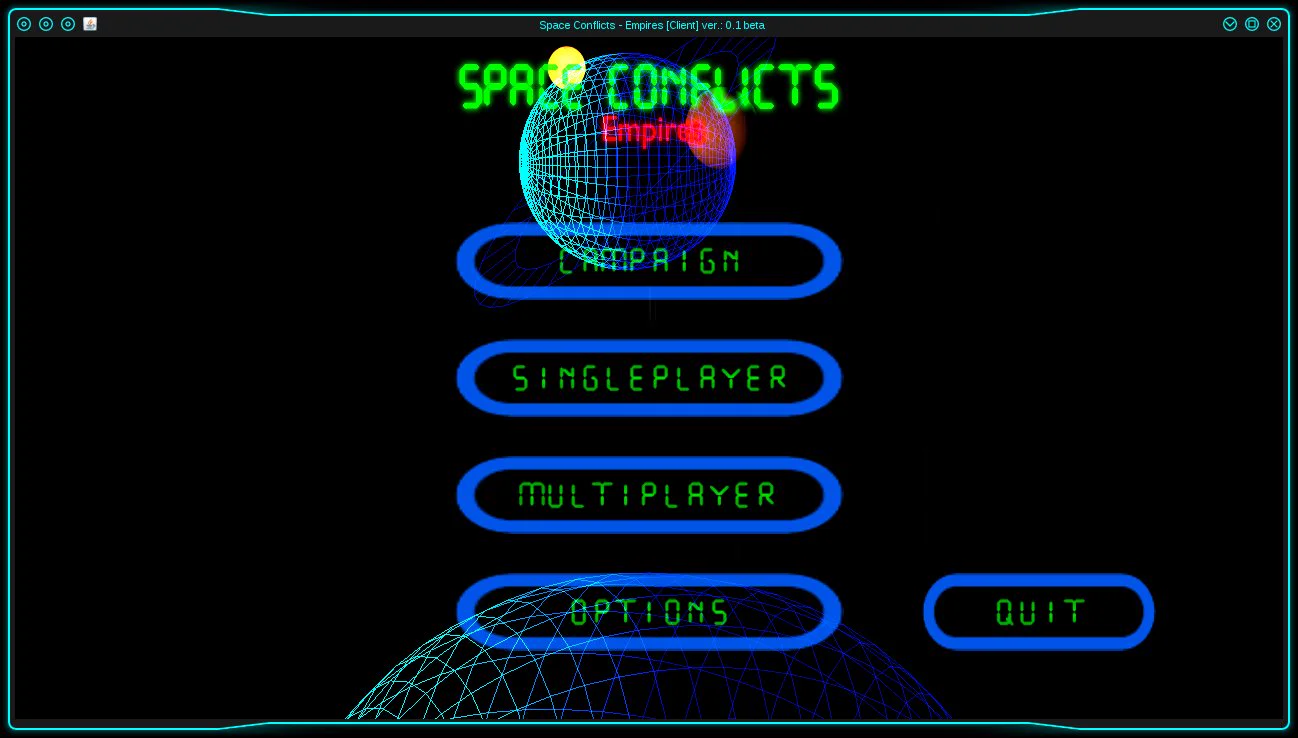
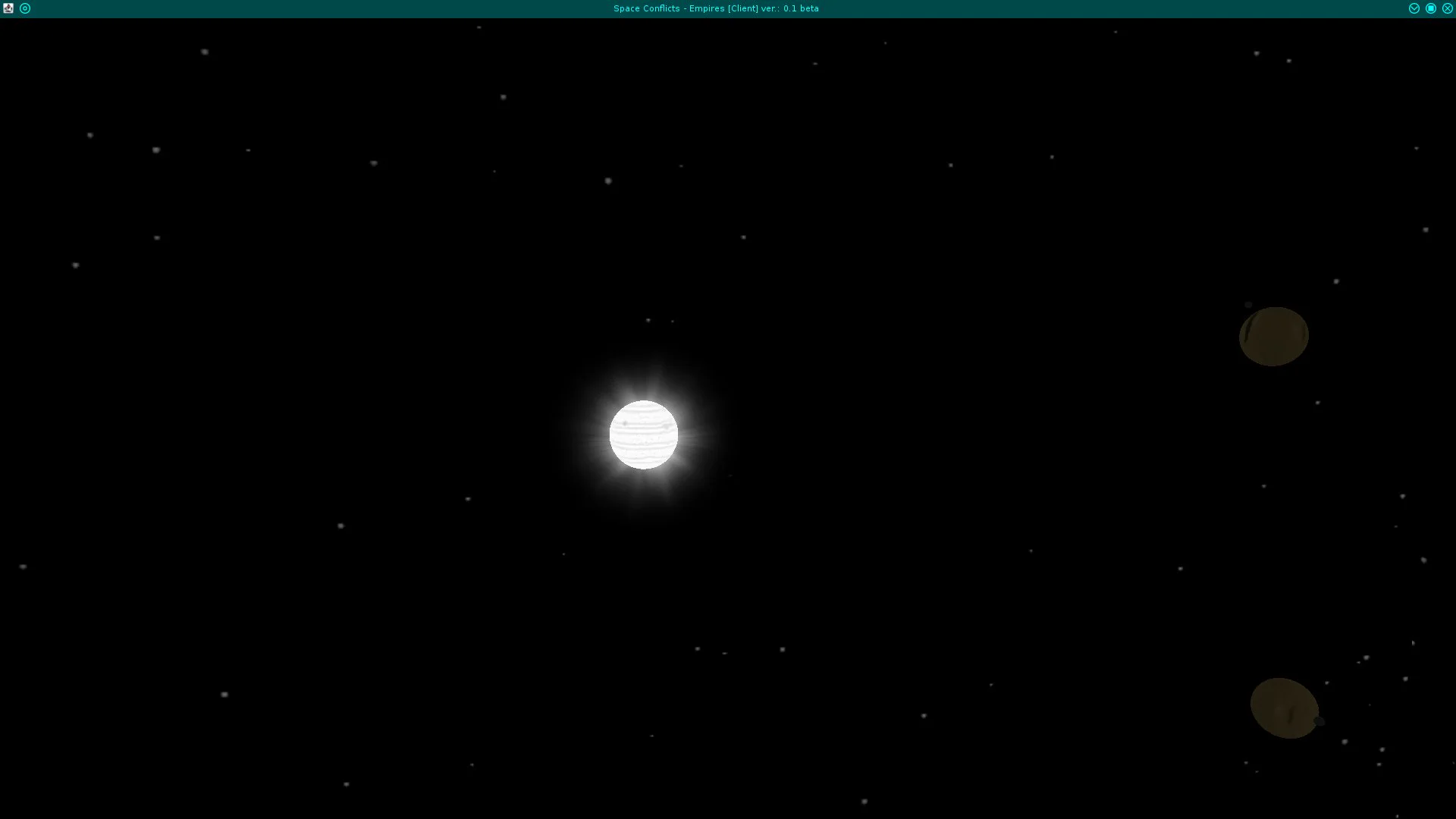
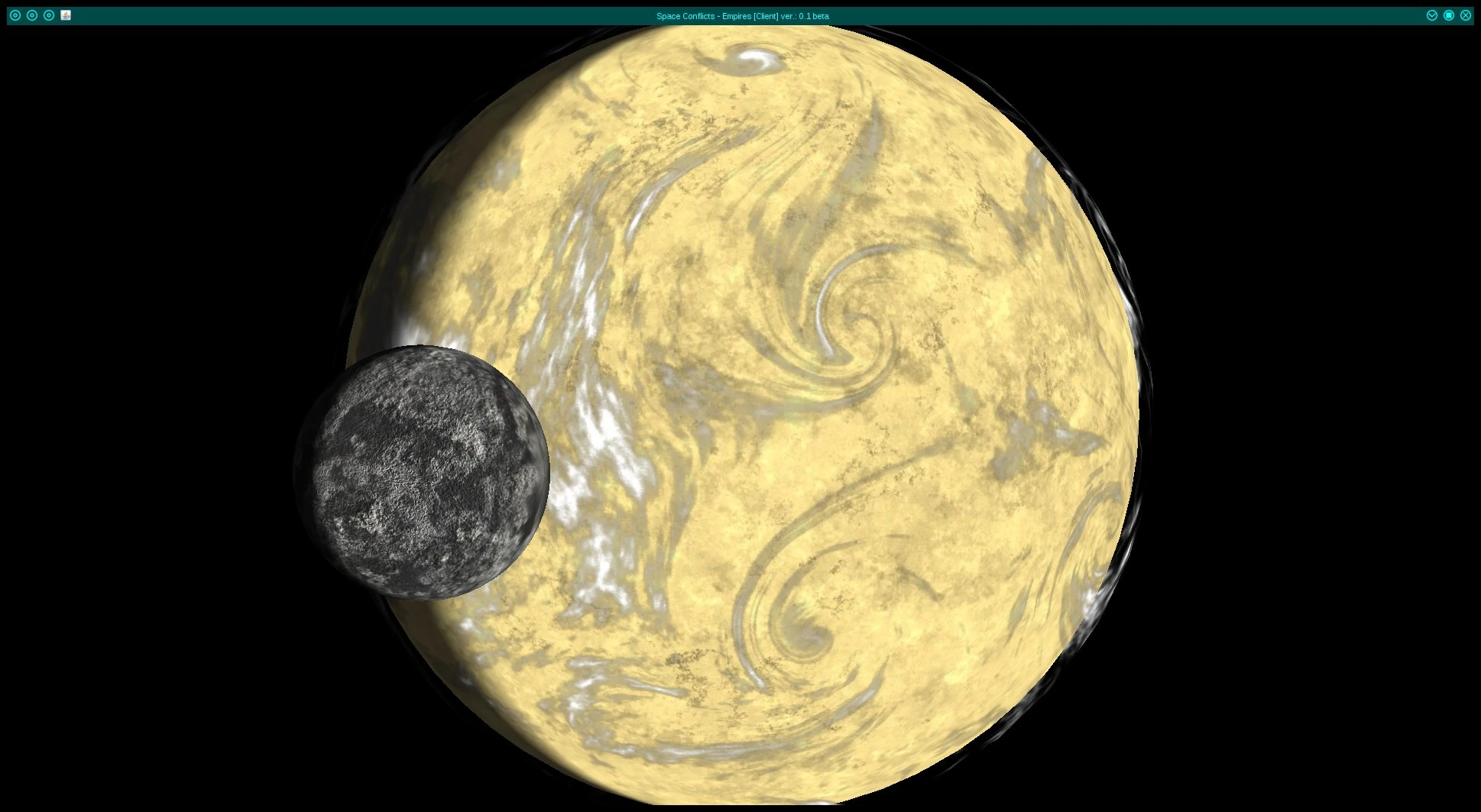
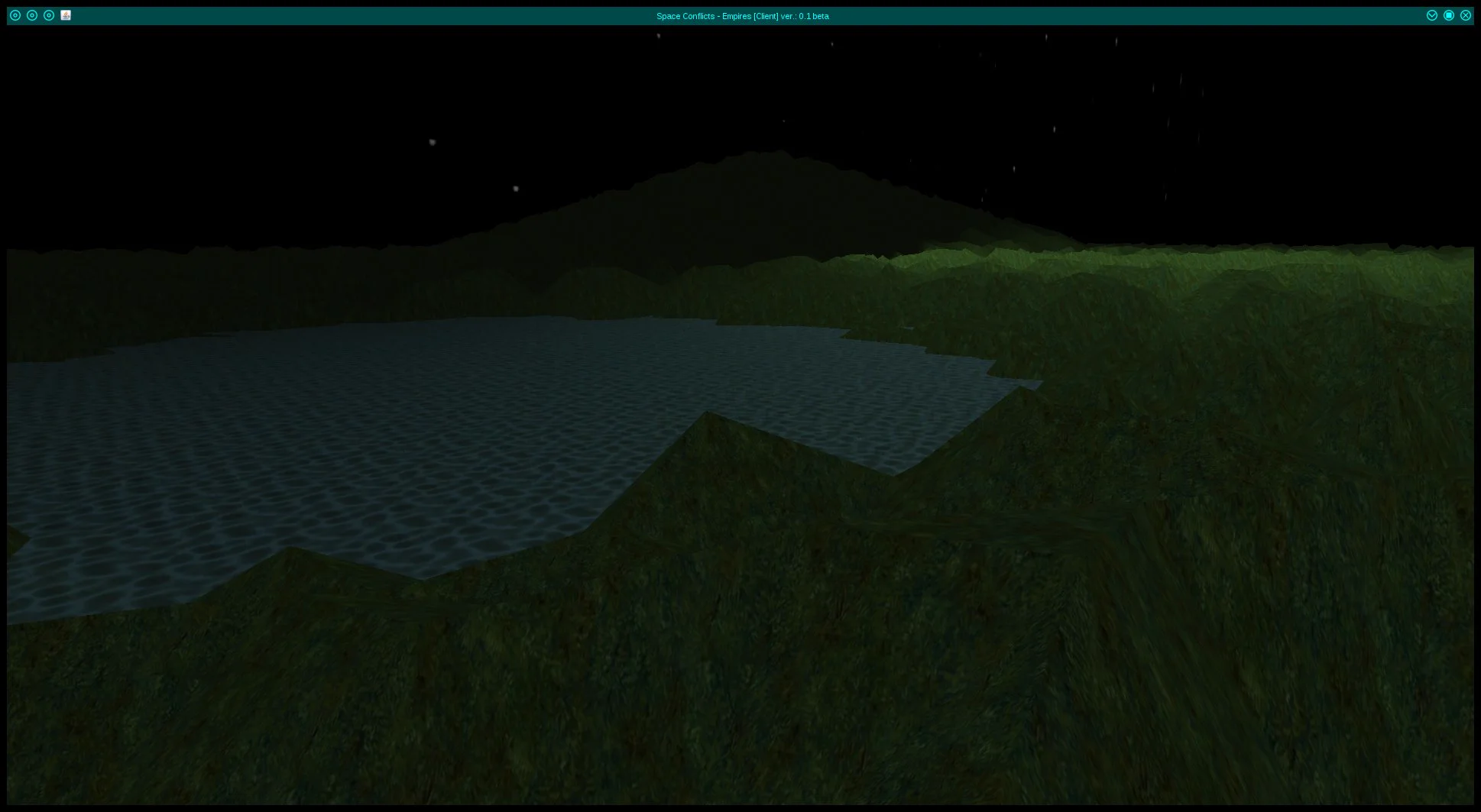
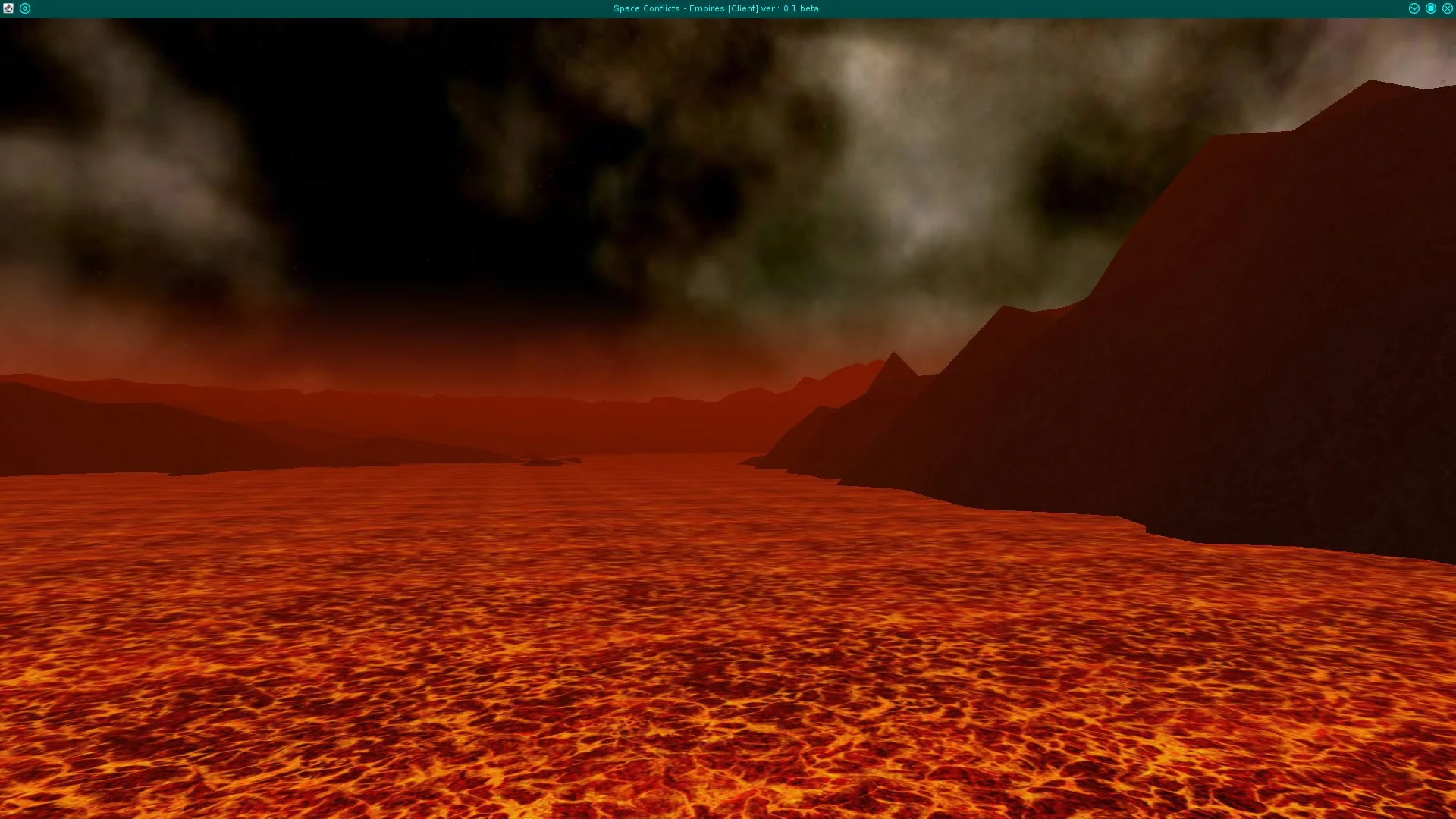
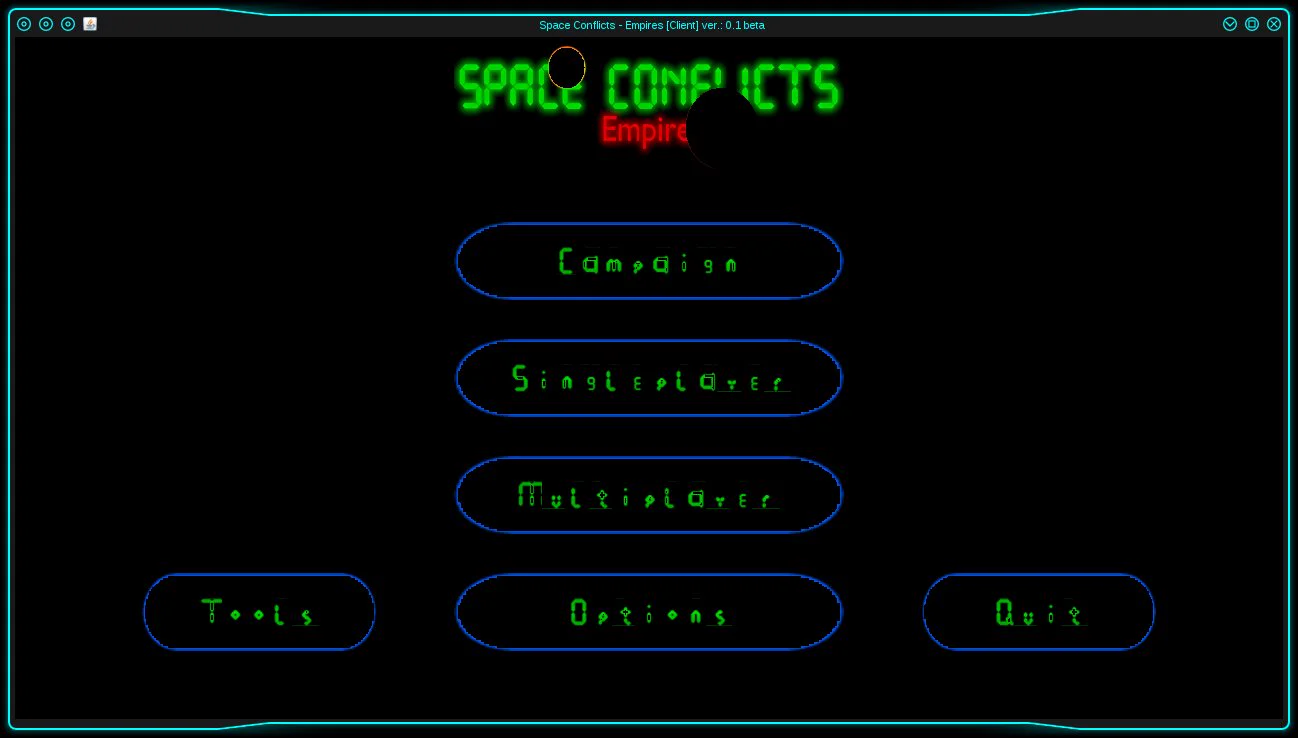
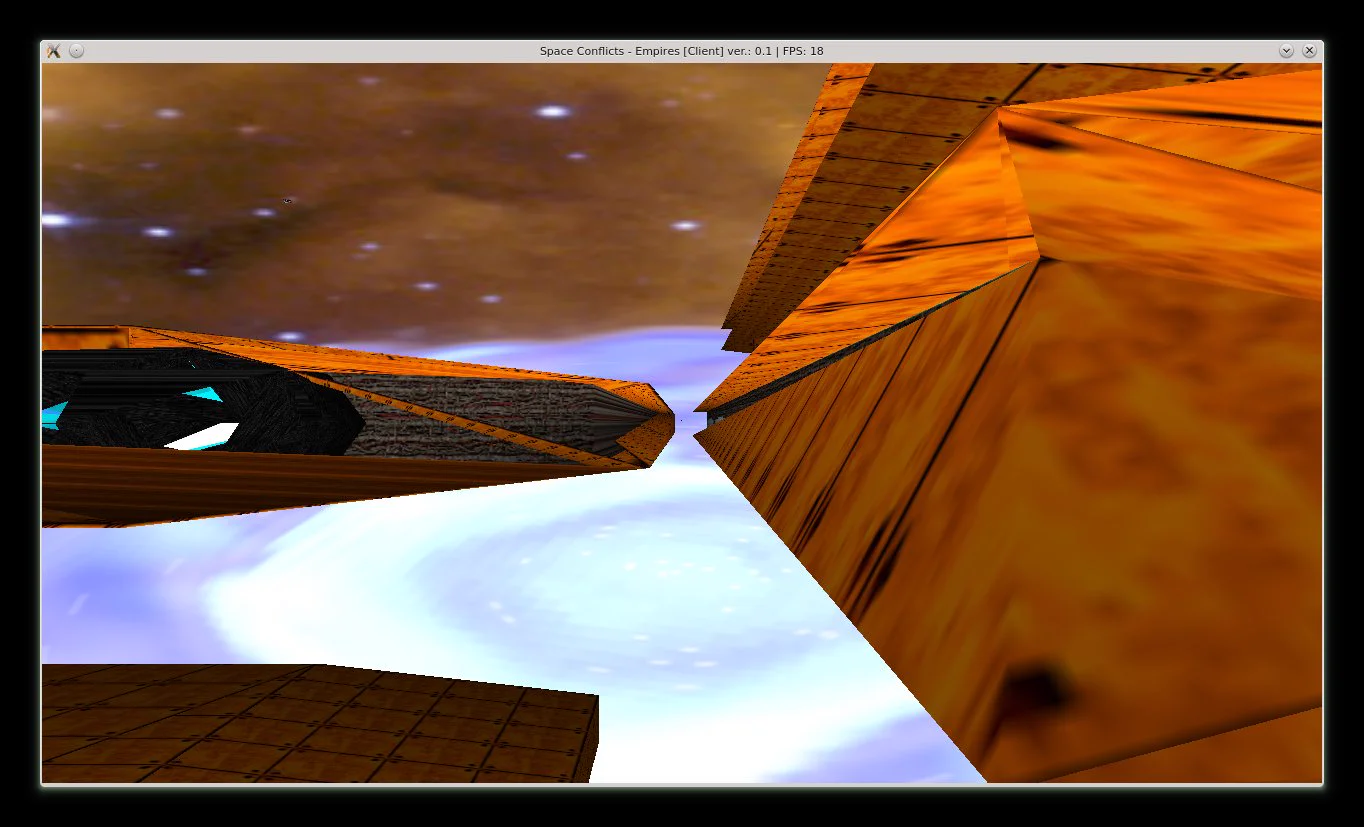
The gallery highlights both milestones achieved (the SingularityEngine 0.0.5 Currendum 3D test scene, an early menu, a solar system view, and automatically generated landscapes) and typical visual glitches from development (font transparency bugs, distorted 3D shapes, and overbright fog).
Reasons for Discontinuation and Switch to Godot
Ultimately, the project was discontinued for practical reasons:
- Time Constraints and Excessive Overhead: Building a complete 3D engine in parallel—including a custom menu system, command language, physics, and multiple graphics modules—required substantial extra effort that could no longer be sustained alongside university studies due to lack of time, before real game development could even take off.
- Unfinished Core Pillars: Essential foundations such as physics, performance optimization, user interfaces, and modern graphics were still in draft or placeholder state.
- Availability of the Godot Engine: Once the Godot Engine became freely available and matured, a production-ready, free alternative existed, making a custom-built engine unnecessary.
The ideas and lessons learned from this prototype directly carried over into the subsequent development of Space Conflicts: Empires using the Godot Engine. The unfinished source code of the original project is now publicly archived under the Z-Ray Entertainment GitHub organization.
Media
SingularityEngine 0.0.5 Currendum: 3D Test Scene with Helper Grid
Early Menu Draft with Wireframe Planets
Solar System Draft with Glowing Star
Arid Planet with Atmosphere and Moon
Automatically Generated Surface (Crater and Hills)
Volcanic Planetary Surface with Lava Ocean
Transparency Bug in Menu Font
Distorted 3D Geometry Rendering Bug (18 FPS)
Overbright Fog in Landscape Rendering